
As AI app builders and “vibe coding” tools get more powerful, a big question is coming up for early-stage founders. If you can build a working prototype in a few hours using natural-language prompts, do you really need a traditional engineering team to get to production?
The short answer: you can prototype with vibe-coded apps, but you still need engineers to take it past the finish line if you’re serious about security, scalability, and long-term growth.
Let’s break down where vibe-coded apps shine and where engineering teams become unavoidable.
What Vibe Coding Does Really Well
Tools like Replit’s AI builder, Cursor, v0.dev, and others let founders describe what they want and watch the code appear instantly. For early ideation, this is gold.
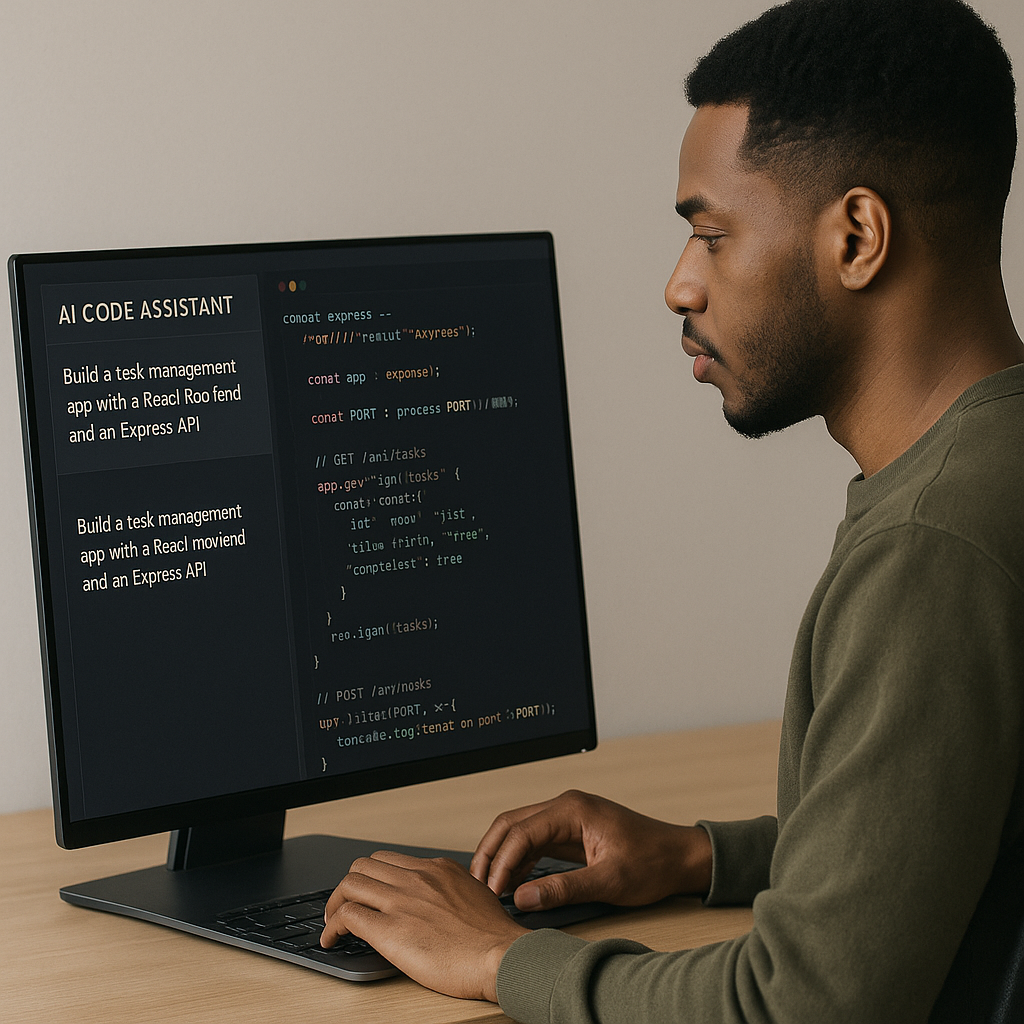
Here’s what vibe-coded prototypes are perfect for:
1. Fast Proof-of-Concepts
You can test ideas, build UX flows, mock APIs, and validate customer interest without waiting on a sprint cycle.
2. Landing Investor Conversations
Showing a functional prototype helps investors visualize potential, even if the tech isn’t production-ready.
3. Clearer Communication
It’s easier to bring in engineers later when they can see an early version instead of starting from a blank slate.
4. Early Customer Testing
You can throw a “good enough” version in front of potential users to gather feedback quickly.
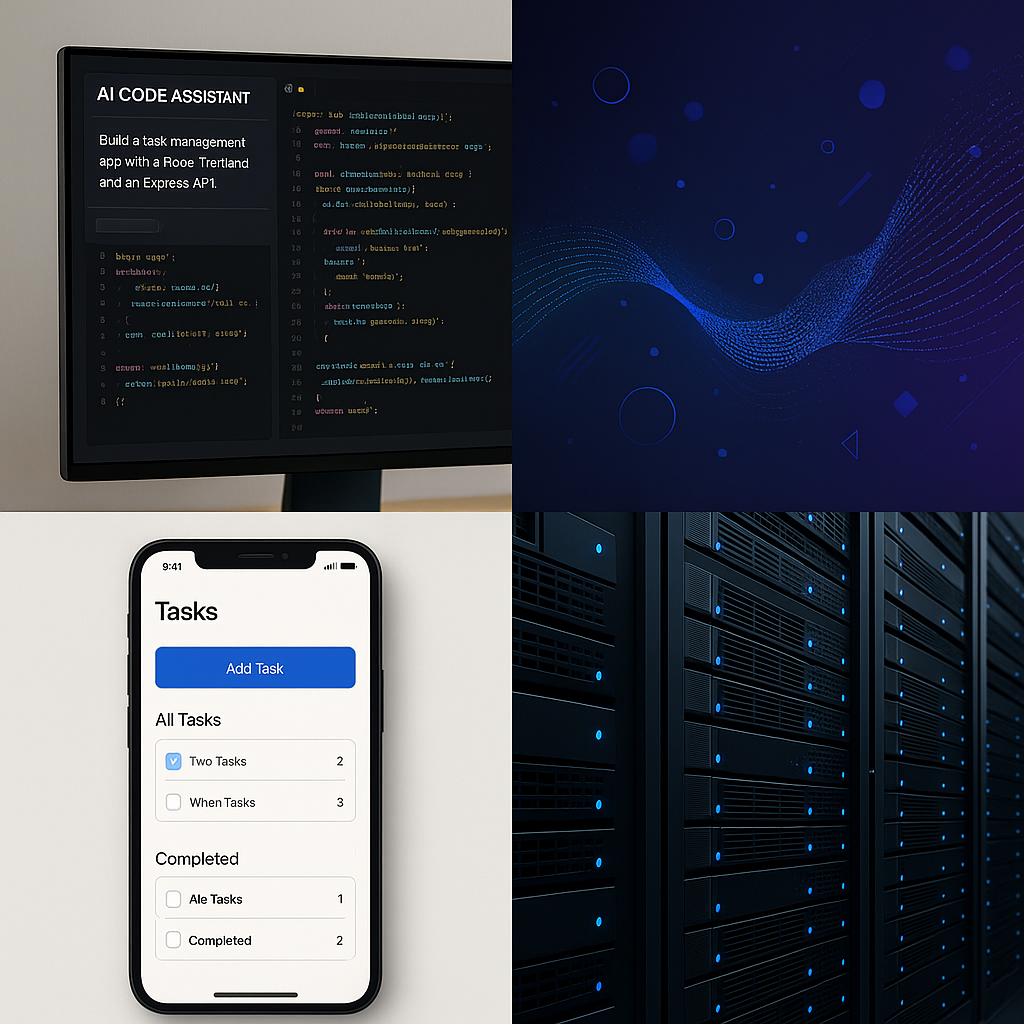
For founders working solo or with tiny budgets, vibe coding is a massive unlock. But it has limits.
Where Vibe-Coded Apps Fall Apart in Production
AI can generate code, but it doesn’t replace the engineering thinking required for a production system. This is where reality kicks in.
1. Security & Compliance
Production apps need secure auth, encrypted data flows, proper secret management, dependency hardening, and compliance.
AI-generated code often introduces:
- insecure libraries
- hard-coded secrets
- no audit trail
- missing validation
- exploitable logic paths
For anything involving payments, PII, or enterprise customers, vibe-coded apps are not enough.
2. Scalability & Reliability
A vibe-coded backend might work with 10 users… but melt at 1,000.
Engineers ensure:
- autoscaling
- observability
- logging
- error handling
- CI/CD
- infrastructure as code
- load testing
AI tools can scaffold these but rarely get them right automatically.
3. Maintainability
Your AI prototype might become impossible to update once you add non-AI code or want to scale features. Engineers bring architecture discipline and future-proofing.
4. Integration with Real Systems
Production needs:
- payment gateways
- queuing systems
- real databases
- external APIs
- user roles
- cloud infrastructure
These aren’t just “generate a page” tasks. They require planning and oversight.
When Should a Founder Bring In Engineers?
You don’t need a full engineering team on day one. But you should bring in engineers when:
- you’re preparing for launch
- real customer data will be stored
- integrations exceed simple API calls
- performance matters
- you’re raising capital and need technical audits
- you need long-term architecture
A great approach is:
Prototype with vibe coding
Move fast, test often, iterate.
Bring in engineers when you’re ready to commit to production

Let the prototype accelerate their work, not replace it.
This hybrid model gives you speed without sacrificing quality.
The Bottom Line
Vibe coded apps are a breakthrough for founders. They remove early friction, spark creativity, and help validate ideas quickly. But once you’re heading toward real customers, revenue, and scale, engineering becomes a critical part of the journey.
The modern founder workflow isn’t AI or engineering.
It’s AI and engineering, working together at the right stages.
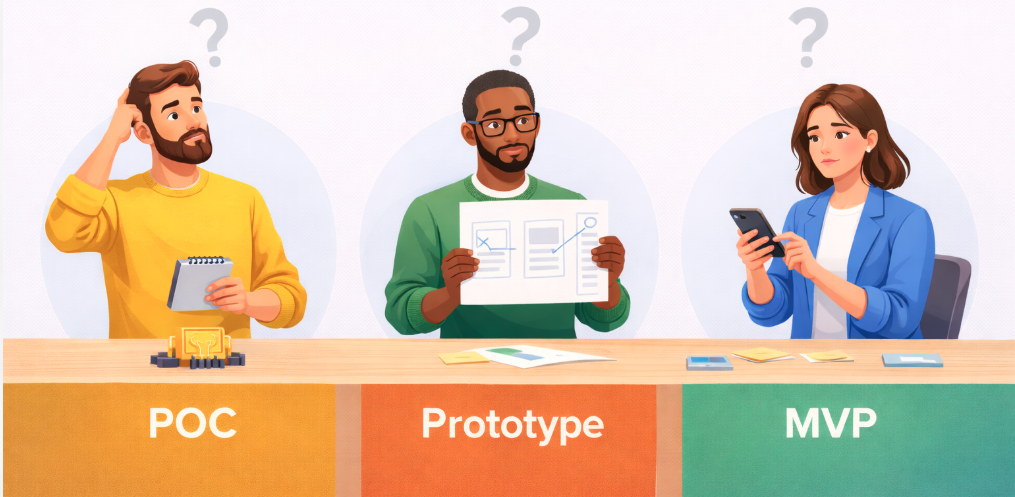
At Retinue Systems we can partner with you at any stage from design, build, growth, and scale. Contact us here today to discuss partnering.
 Google